
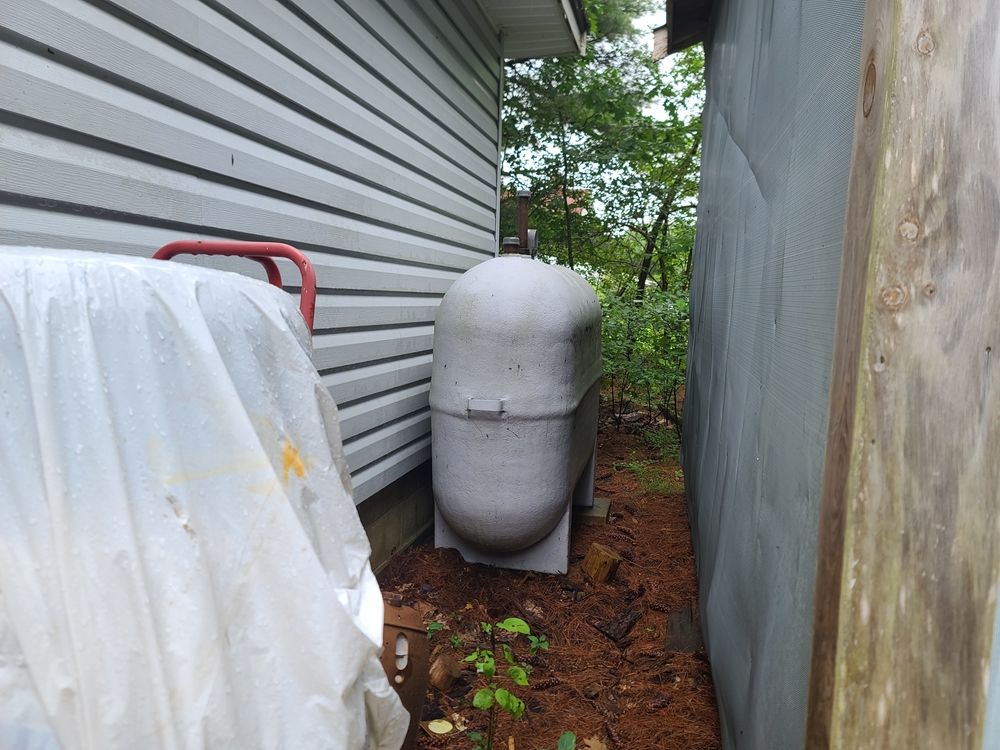
Many homeowners are surprised to learn that removing an underground or aboveground oil tank involves far more than simply digging it up or disconnecting it. While the tank itself may appear intact and functional, the soil surrounding it can tell a very different story. Over time, even small cracks or very little corrosion can allow heating oil to seep into the ground, creating contamination that isn’t visible on the surface.
This is why soil testing is often a critical part of the oil tank removal process. Proper testing helps protect your property value, ensures compliance with environmental regulations, and provides peace of mind that your home and land are safe.
So, whether you’re planning a tank removal or have just discovered an old tank on your property, understanding when and why soil testing is needed can help you make informed decisions and avoid costly surprises down the road.
What Is Soil Testing, and Why Does It Matter During Oil Tank Removal?
Soil testing in the context of oil tank removal is a scientific analysis used to determine if heating oil has leaked into the surrounding earth. When a tank is removed, a professional technician collects samples from the floor and sidewalls of the excavation site (the area directly beneath and around where the tank sat). These samples are then sent to a certified laboratory to be analyzed for Extractable Fuel Hydrocarbons (EFH) or Total Petroleum Hydrocarbons (TPH).
Why is this analysis important? Here’s a quick breakdown of the benefits of soil testing when removing an old aboveground or underground oil tank:
- Detecting Leaks: Steel tanks corrode from the inside out due to condensation and sediment. This means that a tank can look perfectly fine on the outside while having pinhole leaks on the bottom that slowly drip oil into the soil.
- Protecting Property Value: If you ever decide to sell your home, a soil test report serves as a clean bill of health. Without it, savvy buyers and mortgage lenders may view your property as a high-risk liability.
- Investing in Environmental Stewardship: Oil travels. If left unchecked, a small leak can migrate through the soil, eventually reaching groundwater or even a neighbor’s property, leading to massive cleanup costs and legal headaches.
When Is Soil Testing Required or Strongly Recommended?
While soil testing isn’t legally required in every oil tank removal, there are several situations where it is either mandated or strongly advised to protect homeowners.
Aging or Older Oil Tanks
If an oil tank has been in place for several decades, soil testing is highly recommended. This is because older tanks are more prone to corrosion, especially underground tanks exposed to moisture and fluctuating temperatures.
It’s important to note that even leaks that occurred years ago could have left behind contamination that remained in the soil long after the tank was removed. For this reason, it’s always a good idea to dot your I’s and cross your T’s — schedule that soil test (even if the old tank is no longer in place)!
Unknown Tank History
Many homeowners discover oil tanks after purchasing a property, particularly in older homes where heating systems have been updated over time. If there are no records showing when the tank was installed, maintained, or last used, soil testing becomes an important safeguard. Without a clear history, there’s no reliable way to confirm whether leaks occurred in the past.
Real Estate Transactions
Soil testing is commonly required during sales involving homes with current and recently removed oil tanks. Buyers, lenders, and insurers often want documentation confirming that the tank was removed properly and that no contamination remains. A failed soil test late in a transaction can delay or derail a sale, which is why testing early in the process is so valuable.
Evidence of Leaks or Odors
If there are signs of a leak, such as oil smells, stained soil, dead vegetation near the tank, or unexplained heating oil losses, soil testing should be conducted immediately. In these instances, testing is often necessary before and after tank removal.
Local or State Environmental Guidelines
In some areas, environmental agencies or municipalities strongly encourage or require soil testing as part of responsible oil tank decommissioning. While requirements can vary, testing helps ensure compliance and reduces the risk of future liability tied to environmental damage.
What Happens If Contamination Is Found?
Discovering contaminated soil can feel overwhelming, but it’s important to remember that solutions are available. If testing reveals petroleum contamination, the next steps depend on the severity and extent of the issue.
In many cases, contaminated soil can be excavated and removed, then replaced with clean fill. This approach prevents the spread of pollutants and restores the safety of the site. For more extensive contamination, additional assessment may be needed to determine whether groundwater has been affected and to develop a comprehensive remediation plan.
The professional environmental contractors at JnJ Environmental guide homeowners through this process, coordinating proper disposal of contaminated materials and ensuring all work meets environmental standards.
Peace of Mind Starts With the Right Professional Support
If you’re planning an oil tank removal or have recently discovered an old tank on your property, soil testing is a crucial step you shouldn’t overlook. For homeowners in Southeastern Pennsylvania, JnJ Environmental offers reliable soil testing and environmentally responsible solutions tailored to protect both our clients’ homes and land.
Contact us today to schedule a consultation or learn more about our environmental services, and take the next step toward peace of mind.