
Heating oil tank leaks can have serious effects on the surrounding soil and environment. They can create significant environmental concerns, health risks, and costly property issues if not addressed promptly. For these reasons, it’s important to understand what exactly happens after an oil tank leak.
The good news is that the professionals at JnJ Environmental are here to help Southeastern Pennsylvania residents navigate the challenges of environmental contamination. Today, we’ll explain what happens to soil after an oil tank leak and the steps that can be taken to restore the affected area safely and effectively.
How Oil Leaks Impact Soil Composition & Quality
Soil is made up of minerals, organic matter, water, and air pockets that work together to support healthy plant growth and maintain environmental balance. Oil contamination disrupts this balance by coating soil particles and filling the spaces that normally allow air and water to move freely.
As the oil spreads, it can reduce the soil’s ability to absorb and retain water properly. This can make it difficult for vegetation and plant roots to survive. Additionally, beneficial microorganisms that naturally live in the soil can be harmed or destroyed by exposure to petroleum products.
The extent of contamination often depends on several factors, including:
- The size and duration of the leak
- Soil type and composition
- Weather conditions
- Depth of contamination
- Proximity to groundwater sources
Without intervention, these conditions can worsen and lead to more widespread environmental concerns.
Common Signs of Soil Contamination From a Heating Oil Tank Leak
Because many heating oil leaks occur underground, contamination isn’t always immediately visible. However, there are several warning signs that may indicate an oil tank leak has affected the surrounding soil.
- Strong Petroleum Odors: Heating oil has a distinct, pungent, fuel-like smell. If you catch a whiff of oil while gardening, walking through your yard, or spending time in your basement, it is a major warning sign of a tank leak.
- Dead or Dying Vegetation: If you notice a sudden, unexplained patch of withered grass, yellowing shrubs, or dying trees near your tank’s footprint, the roots may be absorbing migrating petroleum.
- Soil Discoloration: Contaminated soil often takes on a dark, greasy, or grayish-black appearance that looks starkly different from the healthy, brown earth surrounding it.
- An Oily Sheen on Surface Water: During heavy rainfall, look closely at puddles, drainage ditches, or runoff near the tank area. A rainbow-colored, oily sheen floating on top of the water indicates that oil is actively leaching out of the nearby soil.
- Unexplained Fuel Drops: If your heating oil consumption spikes dramatically without a corresponding drop in winter temperatures, fuel is likely escaping directly into the ground.
If any of these symptoms are present, professional soil testing should be performed as soon as possible to determine the extent of contamination and identify the appropriate remediation strategy.
Environmental & Property Risks Associated With Contaminated Soil
The consequences of an oil tank leak extend far beyond the immediate area surrounding the tank. Contaminated soil can create both environmental and financial challenges that may become increasingly severe if left untreated.
Groundwater Contamination
One of the primary environmental concerns is groundwater contamination. As heating oil migrates through the soil, it can eventually reach underground water sources. Once contaminants enter groundwater, they can spread beyond the original leak site and affect nearby wells, streams, and ecosystems.
Impact on Nature
Petroleum contamination can harm insects, birds, and animals that come into contact with affected soil or water. Nearby vegetation may also struggle to grow, leading to long-term damage to the local environment.
Indoor Vapor Intrusion
The volatile chemicals found in heating oil don’t just stay in the dirt. These toxic vapors can migrate through the soil and find their way into your home through foundation cracks, sump pumps, or basement floors. Breathing in these vapors over extended periods poses significant respiratory and long-term health risks to your family.
Plummeting Property Values
A documented, unresolved oil leak can render a property virtually unsellable. Mortgage companies, real estate agents, and savvy buyers will shy away from the immense liability, leaving you stuck with a devalued asset until certified proof of cleanup is provided.
Regulatory and Legal Liability
The Pennsylvania Department of Environmental Protection (PADEP) enforces strict regulations regarding petroleum spills. Property owners are legally responsible for the containment and cleanup of a leak, and failing to act can result in severe fines, legal penalties, and third-party lawsuits from impacted neighbors.
The Soil Remediation Process: Testing, Cleanup & Restoration
Once an oil tank leak is discovered, professional remediation is essential to restore the affected area and prevent further environmental damage. The process typically begins with a comprehensive site assessment.
Testing and Assessment
Environmental professionals first conduct soil testing to determine the extent and severity of contamination. Soil samples are collected from multiple locations and depths to identify how far the oil has migrated. In some cases, groundwater testing may also be necessary.
A Customized Plan
After testing is complete, experts develop a remediation plan tailored to the specific site conditions. The chosen cleanup method depends on factors such as contamination levels, soil type, and property characteristics.
Cleanup and Excavation
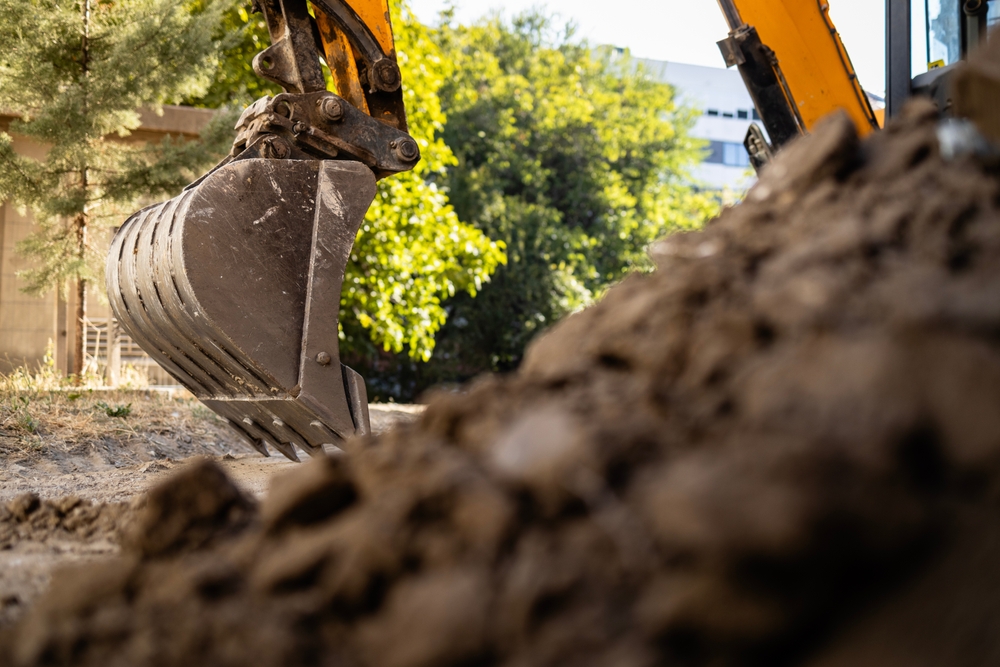
Once the vertical and horizontal boundaries of the oil plume are identified, the physical cleanup begins. In most residential scenarios, this involves the careful excavation of the impacted soil, which is then safely loaded into licensed trucks and hauled away to an approved chemical disposal facility. In complex cases where the oil has migrated beneath structural foundations, advanced techniques like bioremediation (using specialized microbes to consume the oil) or soil vapor extraction may be deployed.
Verification and Restoration
After excavation, final post-remediation soil samples are taken from the bottom and sidewalls of the pit. Once laboratory tests confirm that the remaining earth meets strict state safety standards, the site is backfilled with certified clean fill dirt, compacted for structural integrity, and topped with fresh topsoil and seed to restore your landscape.
Protect Your Property With Professional Oil Tank Leak Remediation
If you suspect a heating oil tank leak or have discovered contamination on your property, don’t wait to seek professional assistance. The experienced team at JnJ Environmental provides expert soil testing, environmental remediation services, and reliable solutions for homeowners and property owners throughout Southeastern Pennsylvania.
Contact us today to learn how we can help assess contamination, protect your property, and restore your peace of mind following an oil tank leak.