
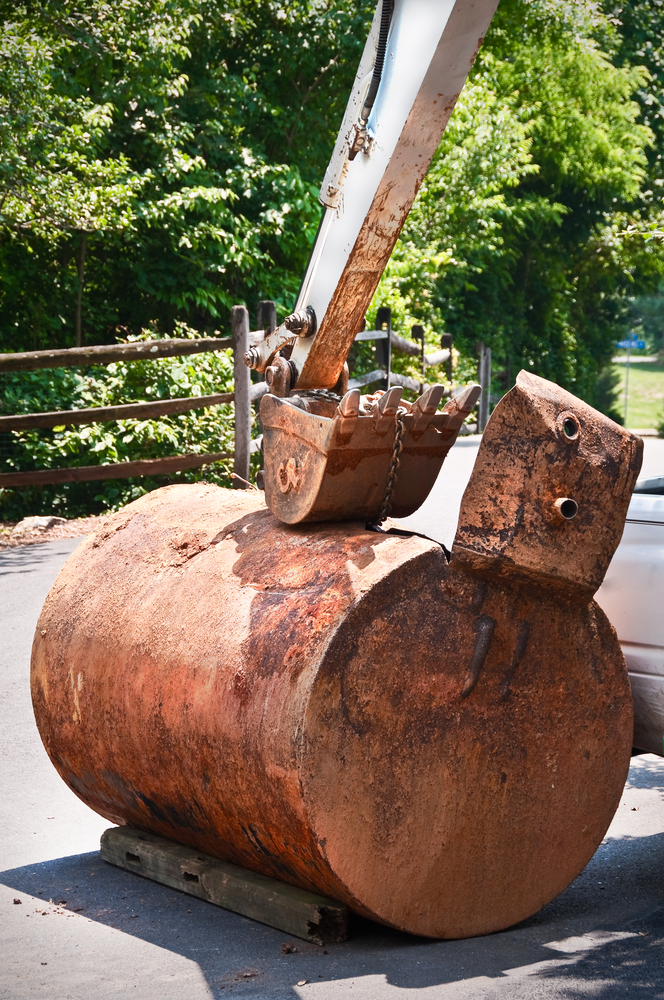
Owning a home comes with a long list of responsibilities, but one that often flies under the radar is the maintenance of any underground storage tanks (USTs). This is a concern because many homeowners who have older properties or homes that once relied on heating oil have a buried tank on their property. While these tanks were once a common and practical solution for fuel storage, they now pose serious environmental and financial concerns if not properly maintained or addressed.
Before you take steps to address the tank on your property, know that, in Pennsylvania, there are specific regulations governing how underground storage tanks must be handled, maintained, and removed. These rules are designed to protect homeowners, neighboring properties, and the environment from contamination and costly damage. The good news is that navigating these regulations doesn’t have to be overwhelming. Our experts at JnJ Environmental are here to break down what homeowners need to know and how to stay compliant while protecting their property.
Do Pennsylvania UST Regulations Apply to Homeowners?
One of the most common questions homeowners ask is whether Pennsylvania’s underground storage tank regulations even apply to them. The answer is: it depends on the size, use, and status of the tank.
In general, residential heating oil tanks that are used exclusively for storing fuel for on-site consumption, such as heating a single-family home, may be exempt from some of the more stringent federal and state UST regulations. However, this exemption doesn’t mean homeowners are off the hook entirely. Even exempt tanks must still be managed responsibly, especially when it comes to preventing leaks or environmental contamination.
Additionally, if a tank is no longer in use, has been abandoned, or is part of a property being sold or transferred, different rules may apply. Local municipalities, lenders, and insurance companies often have their own requirements regarding tank inspection, testing, or removal. This is why it’s essential for homeowners to understand not only state guidelines but also any additional obligations that could affect their property.
Registration, Removal, & Closure Requirements for Residential Tanks
While some residential USTs may not require formal registration with the state, certain situations do trigger regulatory requirements. For homeowners, the most important considerations typically revolve around removal and closure.
If you have an underground storage tank that is no longer in use, it’s strongly recommended to have it properly closed or removed. Simply leaving an unused tank in the ground can lead to long-term issues, including corrosion and leaks. Pennsylvania guidelines generally require that tanks be cleaned, emptied, and either removed or filled with an inert material like sand or foam when they are decommissioned.
The tank removal process often includes the following steps to avoid environmental damage:
- Excavating the tank safely
- Properly disposing of any remaining fuel or sludge
- Inspecting the surrounding soil for contamination
- Documenting the closure process
In many cases, documentation of proper tank closure or removal is necessary for real estate transactions. Buyers and lenders often request proof that no environmental hazards exist, making compliance not just a legal concern, but a practical one for protecting your property value.
Environmental Risks of Aging or Abandoned USTs
One of the biggest concerns with underground storage tanks is the potential for leaks. Over time, metal tanks can corrode, leading to cracks or holes that allow fuel to seep into the surrounding soil and groundwater.
This type of contamination can have serious consequences. For example, heating oil and other petroleum products can pollute drinking water supplies, harm local ecosystems, and create unpleasant odors or health risks inside the home. Even a small leak can result in significant cleanup costs, which are often the responsibility of the property owner.
In Pennsylvania, environmental contamination from USTs is taken seriously. Homeowners may be required to pay for oil spill cleanup services and remediate contaminated soil or groundwater, a process that can be both complex and expensive. Beyond the financial impact, unresolved contamination can delay or derail property sales and create long-term liability concerns.
The key takeaway is that ignoring an old or unused tank doesn’t make the problem go away. It often makes it worse.
How Environmental Professionals Can Help With Inspection, Testing, & Removal
Dealing with an underground storage tank isn’t something most homeowners are equipped to handle on their own. That’s why it’s helpful to call experienced environmental professionals.
A qualified team can provide a range of services designed to ensure your tank is safe, compliant, and properly managed. These services often include:
- Tank Inspection: Identifying whether a tank exists on your property and assessing its condition.
- Soil and Groundwater Testing: Detecting any signs of contamination.
- Safe Removal or Closure: Following proper procedures to eliminate risks and meet regulatory standards.
- Documentation and Reporting: Providing the paperwork needed for compliance and real estate transactions.
Keep Your Property Compliant With the Right Support
While Pennsylvania’s underground storage tank regulations may seem complex at first, taking a proactive approach to following these rules can save homeowners significant time, stress, and expense in the long run. If you’re a homeowner in Southeastern Pennsylvania and suspect you may have an underground storage tank, turn to JnJ Environmental. Our team provides expert guidance, thorough inspections, and reliable solutions tailored to your property’s needs.
Reach out today to ensure your home remains safe, compliant, and protected for years to come!