
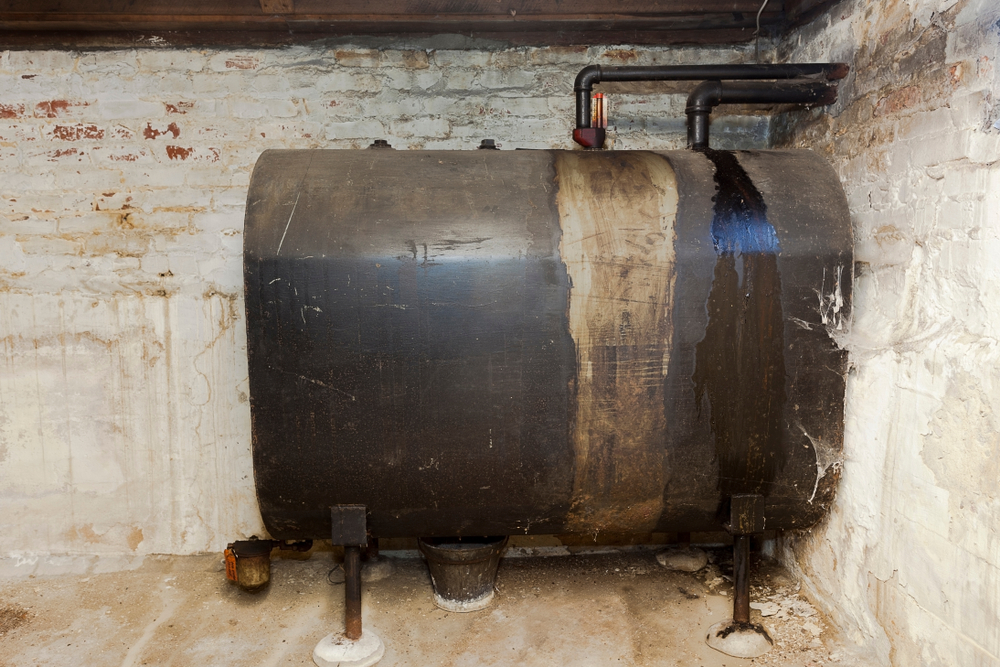
Have you recently walked into your basement and noticed the faint scent of fuel? Maybe you’ve spotted a small patch of rust on the exterior of your heating oil tank, or perhaps you’ve noticed your heating bills creeping up despite no change in your usage habits. All of these things point to one fact: it’s time to replace your oil tank.
When you can understand when it’s time to upgrade your home’s heating oil tank, you have a better chance of avoiding costly leaks, environmental contamination, and unexpected emergencies. So, if you have any concerns about the integrity of your aboveground or underground tank, be sure to schedule a professional inspection ASAP.
How Long Do Oil Tanks Typically Last?
Just like a roof or a furnace, home heating oil tanks are not designed to last forever. On average, a standard steel oil tank will last between 15 and 25 years, depending on several factors:
- Tank Material and Construction: Steel tanks are more common but are also more prone to rust over time, especially if exposed to humidity or condensation. Today’s tanks now feature double-walled construction and fiberglass options that offer significantly higher corrosion resistance and longer lifespans.
- Tank Location: Indoor tanks generally last longer than outdoor or underground tanks because they are less exposed to moisture, temperature fluctuations, and soil corrosion.
- Maintenance History: Tanks that have been regularly inspected and maintained tend to last longer.
- Installation Quality: Poor installation or improper support can place stress on the tank and lead to premature failure.
If your home was built in the late 90s or early 2000s and you are still using the original tank, you are likely entering the danger zone for potential failure.
Common Warning Signs Your Oil Tank May Need Replacement
While most oil tank failures start on the inside of the tank, there are a few signs you can watch for that indicate it’s time for a replacement.
Age of the Tank
The most obvious sign you need to replace your heating oil tank is if the age of the tank falls between 20 and 25 years. Even if no visible issues are present, choosing to “wait and see” with an aging oil tank is a high-stakes gamble. After all, a single-family oil tank usually holds 275 gallons of fuel. If that tank fails, the leak could saturate your basement floor, seep into your foundation, or contaminate the soil and groundwater around your home. The resulting remediation costs will be astronomical, and most homeowners’ insurance companies do not even cover spills from a lack of maintenance and improper use.
Rust and Corrosion
While surface rust may not always indicate immediate danger, deep pitting, flaking metal, or corrosion along seams and joints suggests the tank’s integrity is compromised. And once corrosion begins inside the tank, it can spread unnoticed until a leak occurs.
Oil Odors or Stains
A properly functioning oil system should not smell like fuel. If you notice a persistent smell of oil in your basement or around your tank’s location, it usually indicates a slow leak or a venting issue that needs immediate professional attention.
In addition to a strong fuel smell, you may notice that the underside or seams of the tank feel greasy or damp. This could be a sign of a pinhole leak that is at risk of bursting. Oil stains near the tank, on the floor, or around the fill and supply lines may also indicate slow leaks that need to be addressed.
Bulging or Uneven Tank Walls
If the tank appears warped, bulging, or uneven, it may be experiencing internal pressure or structural weakening. This is a serious warning sign that the tank could fail without warning.
Water or Moisture Around the Tank
Condensation or standing water near your oil tank accelerates corrosion. For underground tanks, in particular, moisture in the surrounding soil can speed up deterioration and increase the risk of leaks going unnoticed for long periods. This is why it’s important to have your tank routinely inspected, especially as it begins to age.
Frequent Heating Issues
If you find yourself calling for oil deliveries more frequently than in previous years, but your heating habits haven’t changed, it might be time to replace your oil tank. While this problem could simply be an efficiency issue with your burner, it could indicate that the tank or the underground lines are leaking due to old age.
Upgrade Your Heating Oil Tank Sooner Rather Than Later
If you are unsure about the age or condition of your oil tank, rely on JnJ Environmental for peace of mind. We specialize in comprehensive oil tank inspections, removals, and replacements.
When you reach out to our certified tank personnel, we will look at the integrity of your tank, the condition of your fuel lines, and the safety of your setup to provide a clear recommendation. If a replacement is necessary, we handle the entire process for you, from safely draining and disposing of your old tank to installing a high-quality, modern replacement that meets all local codes and safety standards.
Ready to get started? Contact JnJ Environmental today to schedule a consultation and ensure your home remains safe and protected for years to come.